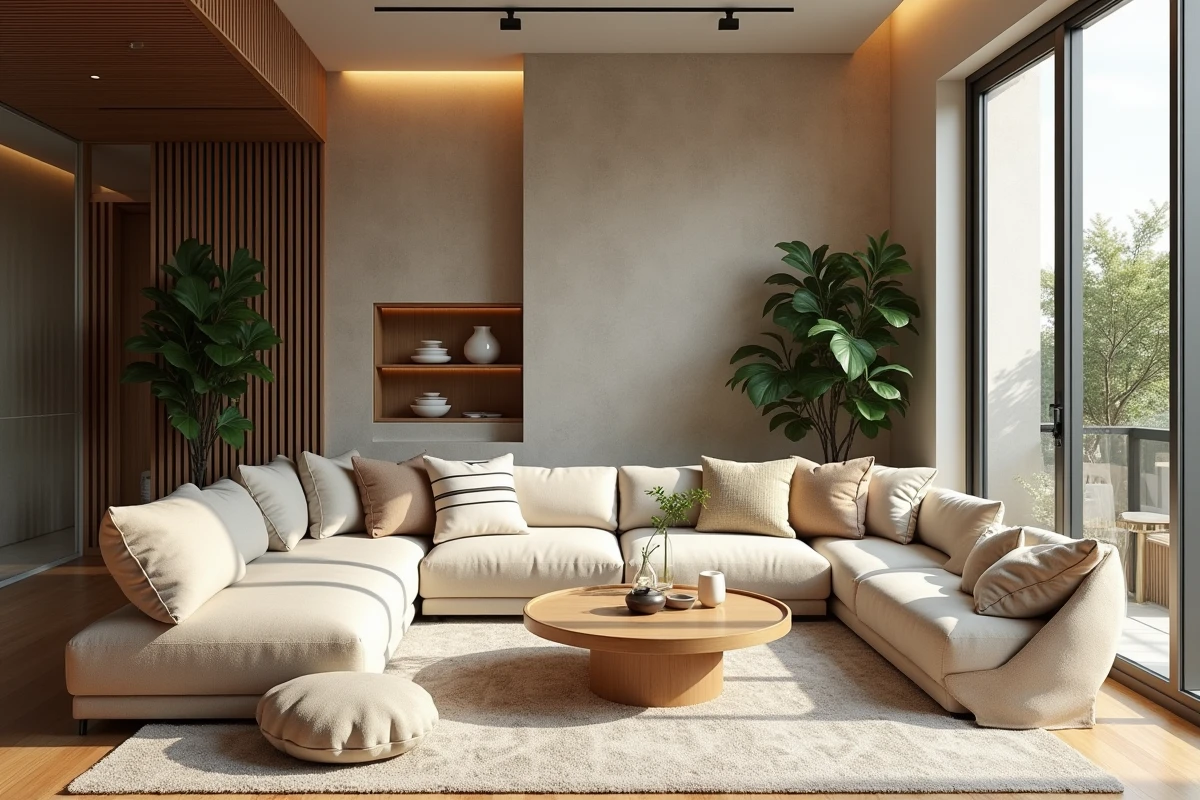
Transforming your interior no longer requires a complete makeover. The decoration trends for 2025-2026 favor targeted interventions, where the choice of a material, color, or volume radically changes the atmosphere of a room. What levers produce the most effect for the least effort? Here are ten concrete ideas, listed in no particular order, to refresh your space with style and elegance.
1. Nuanced monochrome for a flawless living room
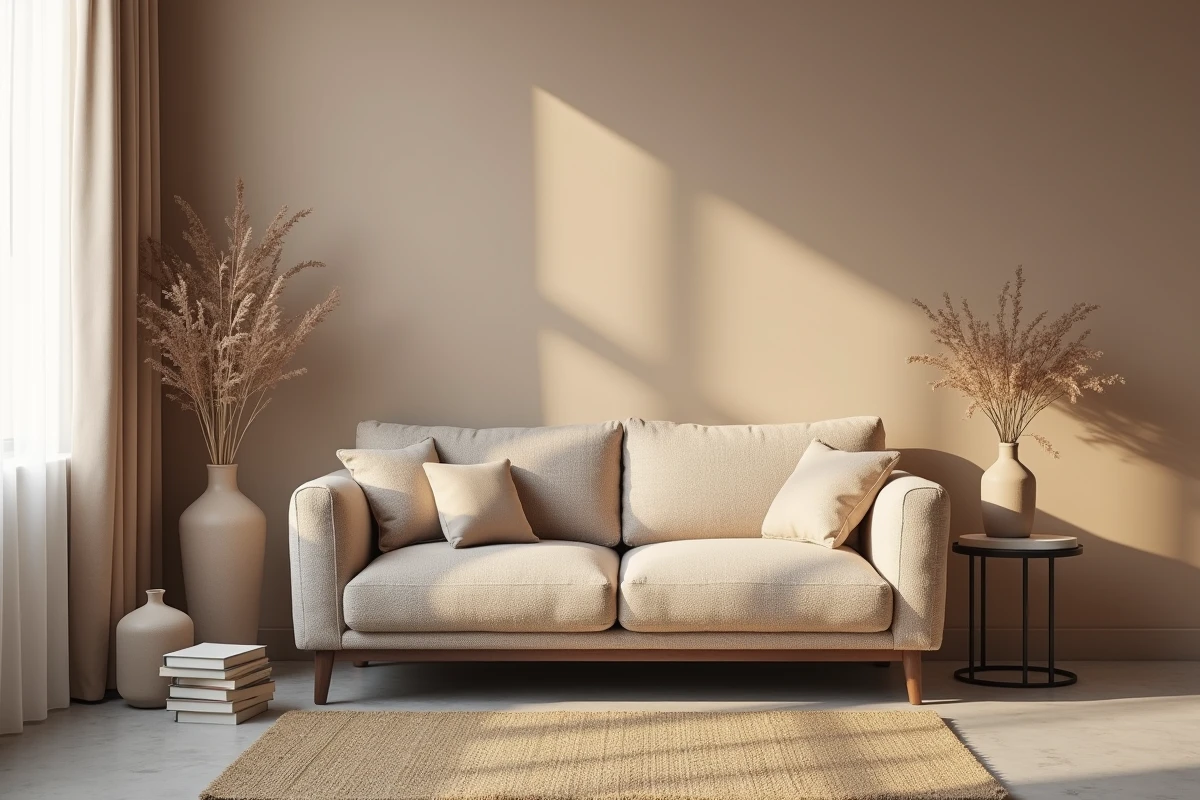
Using the same color in various intensities and textures is the major trend for spring-summer 2026 in the decor press. This principle replaces traditional multicolored palettes with a monochrome gradient of three to five shades of a single hue.
Walls, cushions, curtains, and rugs share the same color family but differ in their material: raw linen for the sofa, velvet for accent seating, matte paint on the walls. The result creates a visual depth that the simple association of contrasting colors does not produce.
An interior featuring pieces from Ambiance et Déco in this monochrome logic gains coherence without appearing monotonous, provided that textures are varied rather than colors.
2. Organic minimalism: rounded furniture shapes and natural materials
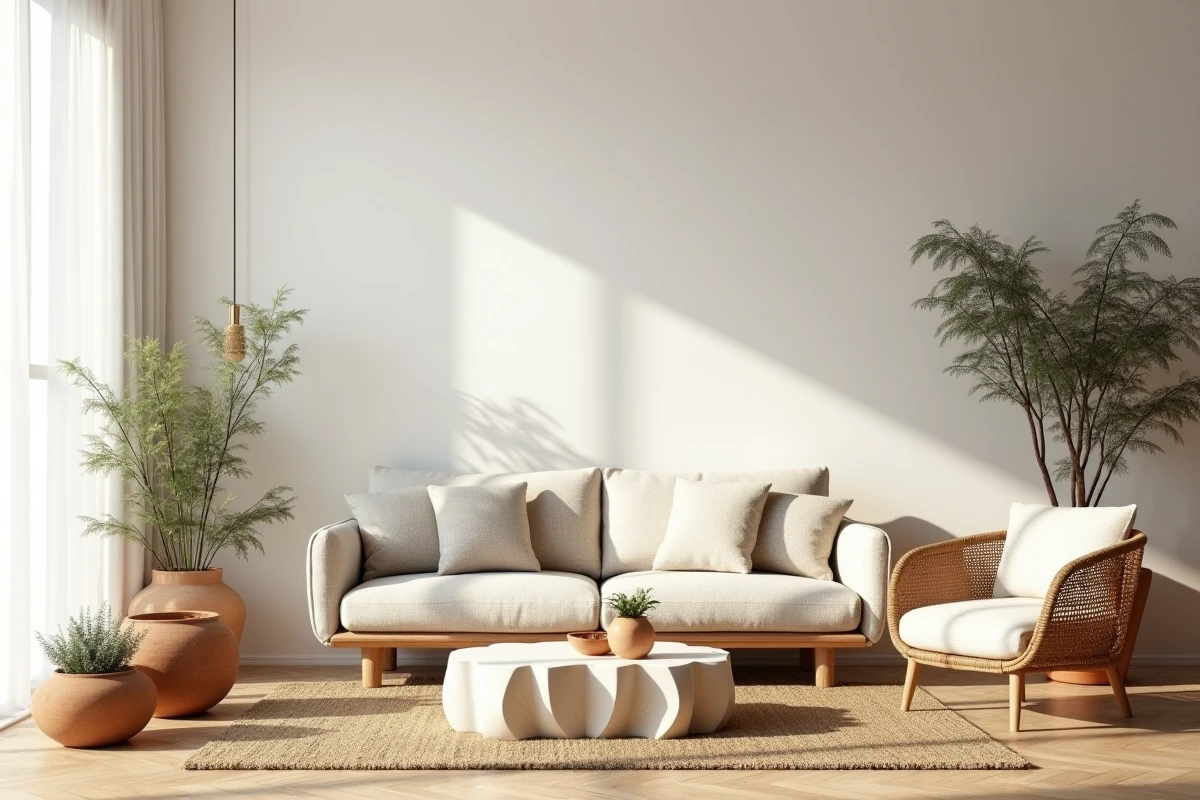
Classic minimalism, often perceived as cold or clinical, is reinvented as organic minimalism. Rounded shapes replace right angles, while wood, stone, and linen take the place of metal and glass.
The palettes remain very soft (off-white, sand, warm gray). What changes compared to Japandi or traditional Scandinavian styles is the volume of the furniture: more enveloping seating, tables with curved edges, shelves with slightly arched supports.
3. Therapeutic textiles to transform the bedroom into a refuge
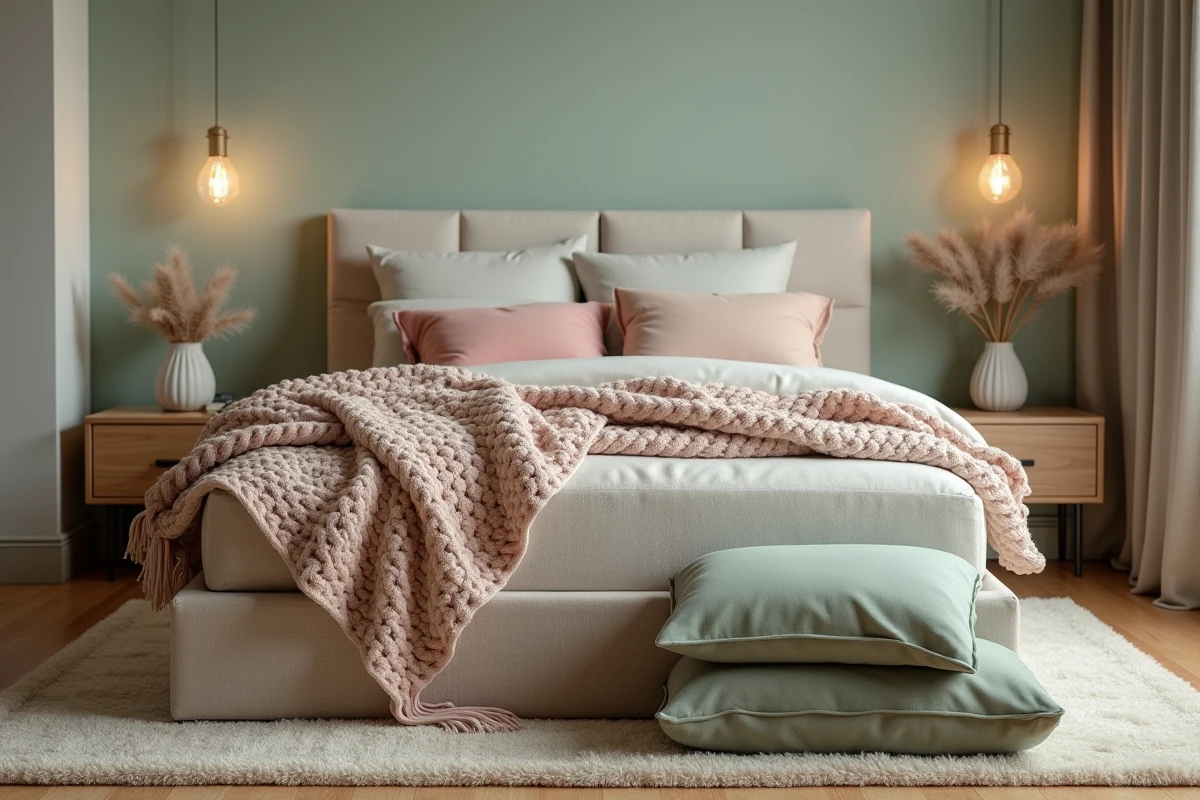
Sensorial materials have been gaining ground since 2025. Ultra-soft textiles, textured stones on bedside tables, lightly tinted glass on light fixtures: these elements are no longer just decorative. They contribute to the creation of wellness rituals at home.
The bedroom benefits the most from this approach. A thick wool throw, a long-pile rug at the foot of the bed, and corduroy cushions change the tactile perception of the room as much as its visual aspect.
4. Strategic accent lighting instead of a central ceiling light
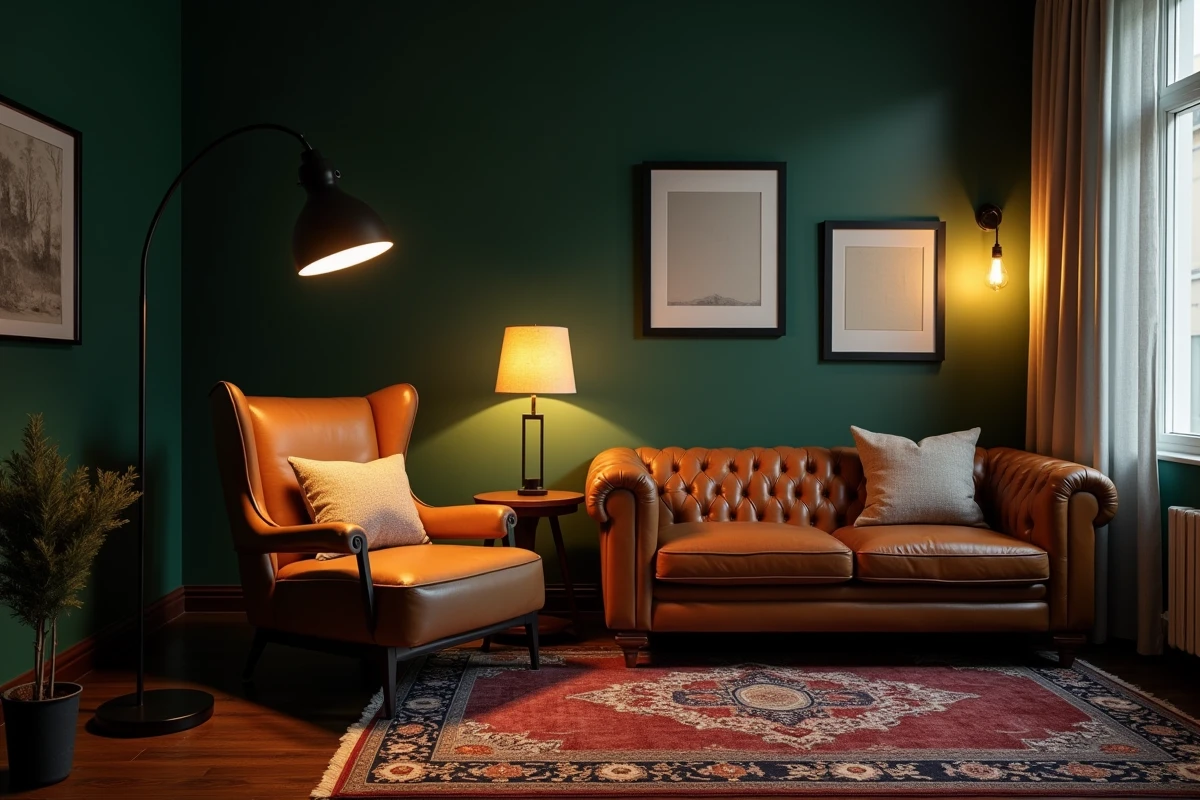
Multiplying low light sources (table lamps, wall sconces, discreet garlands) changes the atmosphere of a space more than a single central chandelier. The principle relies on layering light:
- A functional adjustable source for reading or working
- An indirect light (LED strip behind a piece of furniture, floor lamp) that sculpts the volumes
- A decorative light point (candle, tinted glass lamp) that creates a warm focal point
This layered approach gives each room multiple atmospheres depending on the time of day, without heavy electrical work.
5. Accent wall in raw stone or wood to structure an open space
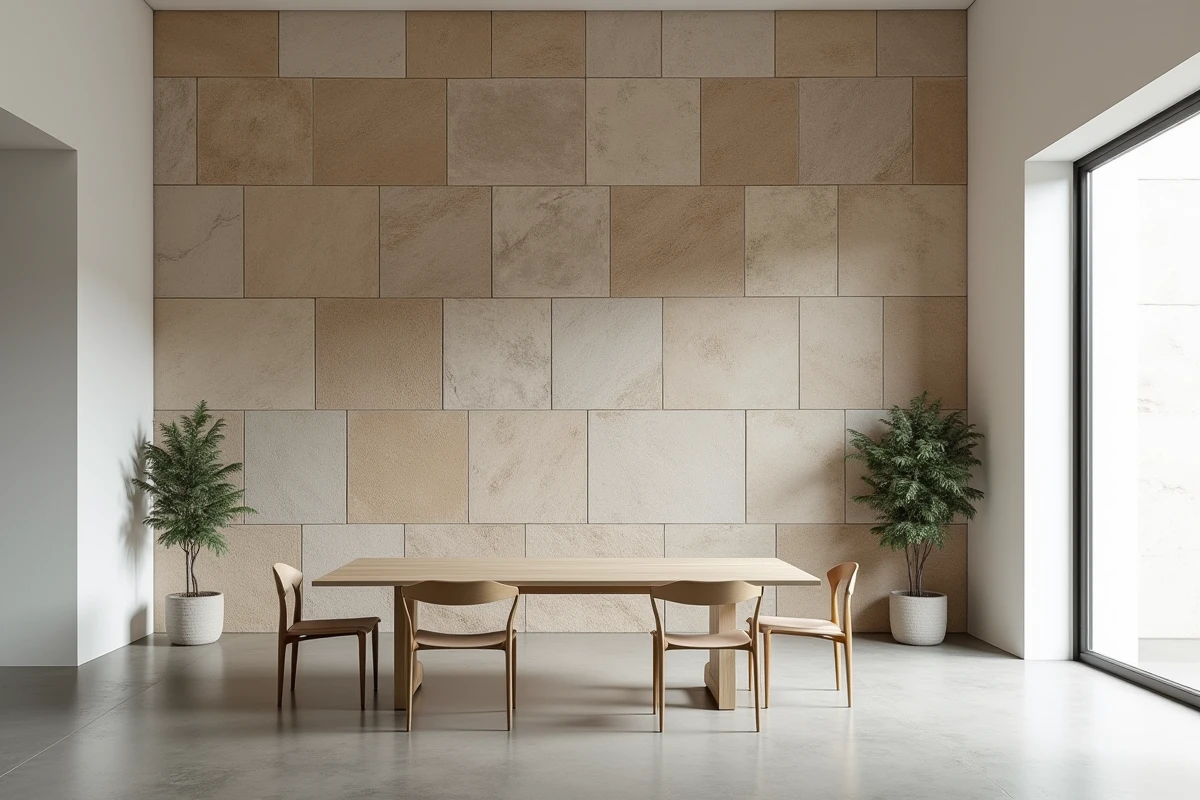
In an open interior, a natural material accent wall visually delineates areas without partitioning. Reconstituted stone, raw wood planks, or textured plaster provide a material break that guides the eye.
This wall works best when placed behind an existing focal point (fireplace, TV unit, headboard). The key: treat only one wall per room to avoid a cave effect.
6. Differentiated natural colors by room
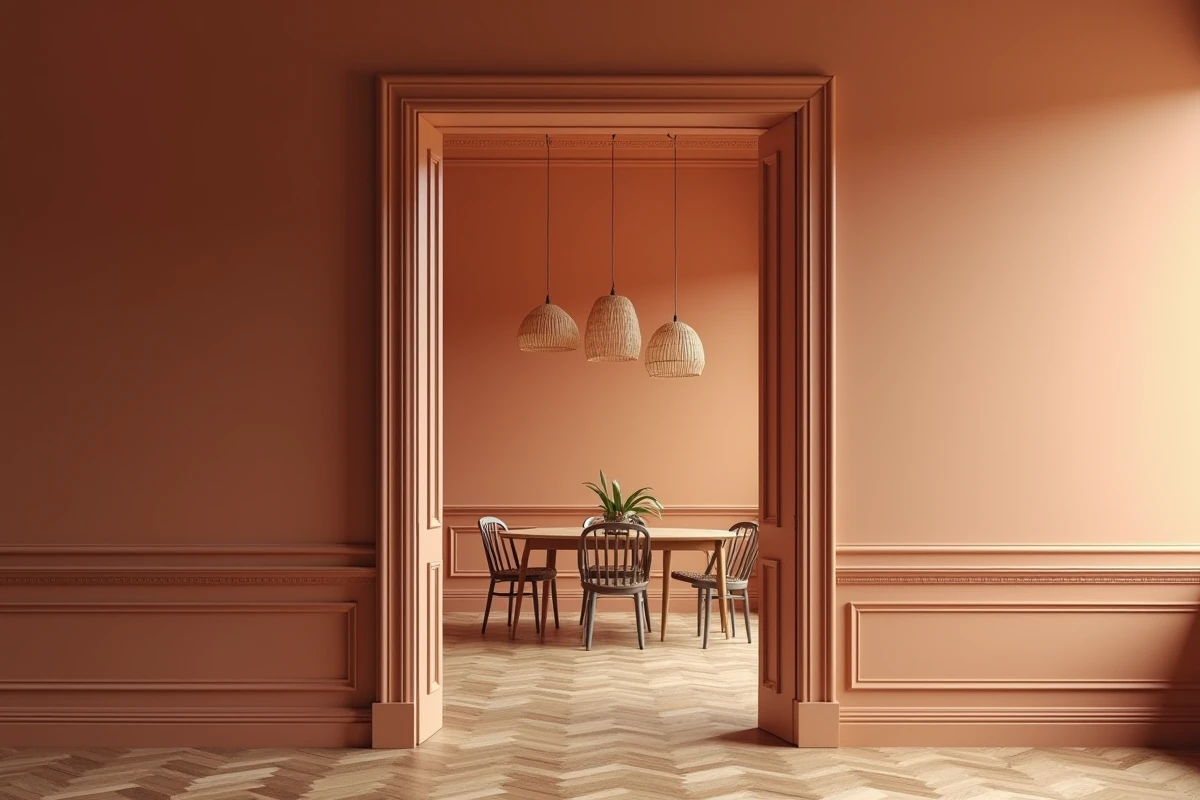
Chromatic specialization by room is gaining traction. Recent recommendations clearly distinguish the palette of a kitchen (sage greens, creamy whites) from that of a child’s bedroom (calm tones, rosy beiges) or a living room (jewel tones mixed with warm neutrals).
Applying the same color everywhere standardizes the interior. In contrast, adapting the shade to the function of each room creates a natural progression when moving from one space to another.
7. Mirrors positioned to enlarge and redistribute light
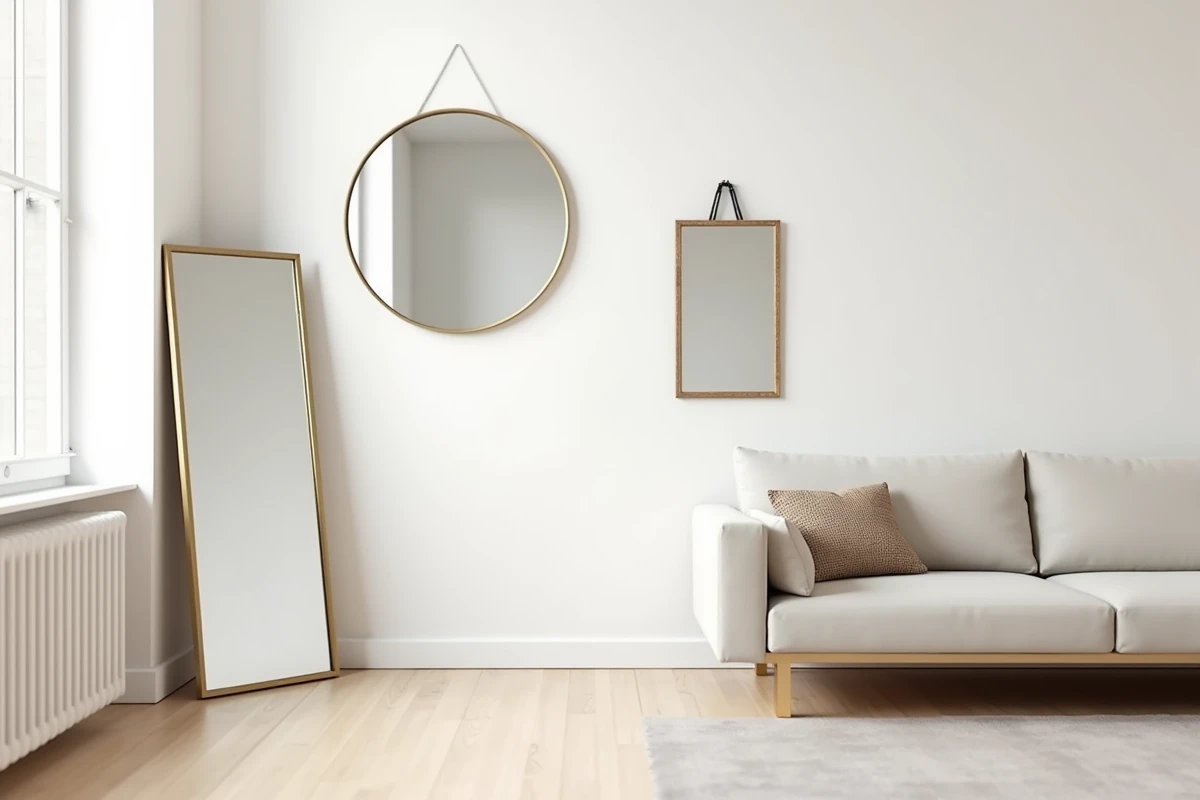
The mirror remains one of the most effective tools for transforming a small space. Placed opposite a window, it doubles the amount of perceived light. Leaning against the floor in a large format, it visually extends the room without drilling.
A common mistake is to place a mirror facing a blind or cluttered wall, which only duplicates the mess. The right reflex: orient the mirror towards the strongest light source or an open perspective.
8. Designer handles and hardware for a chic effect on a budget
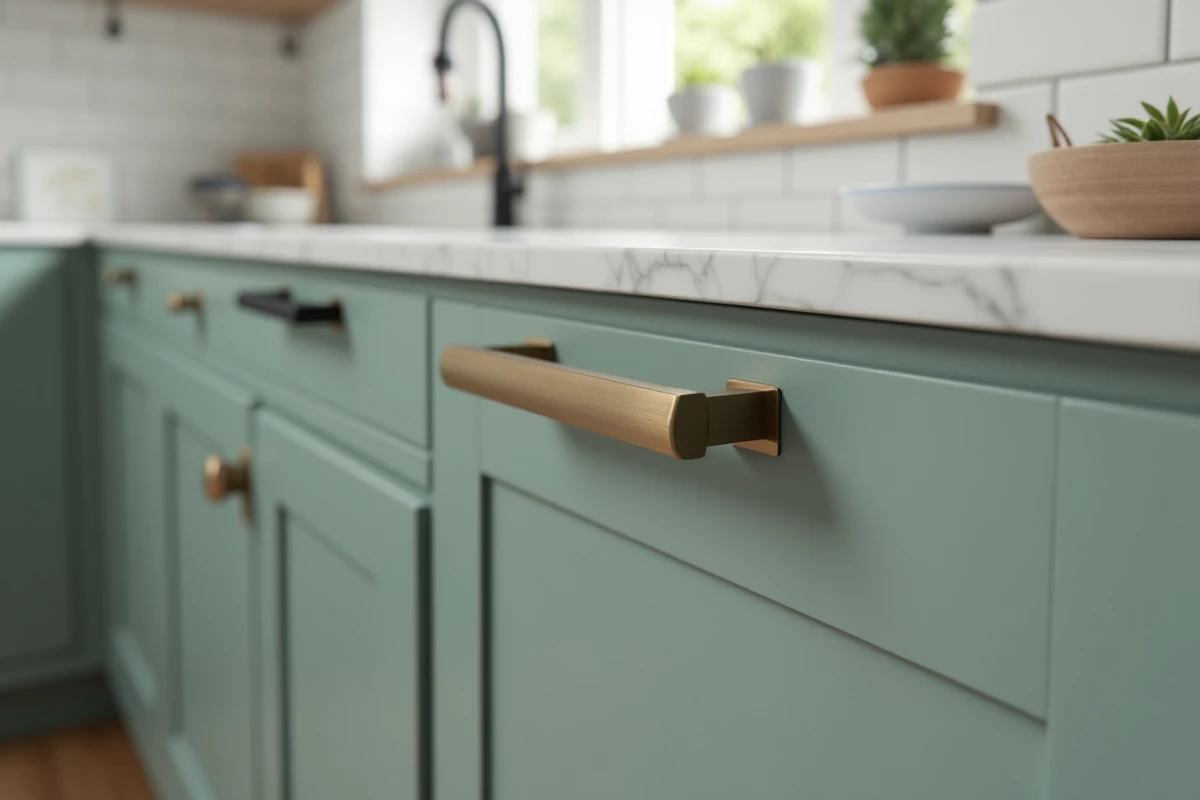
Changing the handles on doors, cabinets, or drawers produces a disproportionate effect relative to the cost. Brushed brass, leather, ceramic: hardware acts like jewelry for furniture.
This lever applies to kitchens, bathrooms, and dressing rooms. A basic piece with matte brass handles looks significantly more upscale than with its original chrome-plated plastic handles.
9. Reading nooks and cozy niches to utilize corners
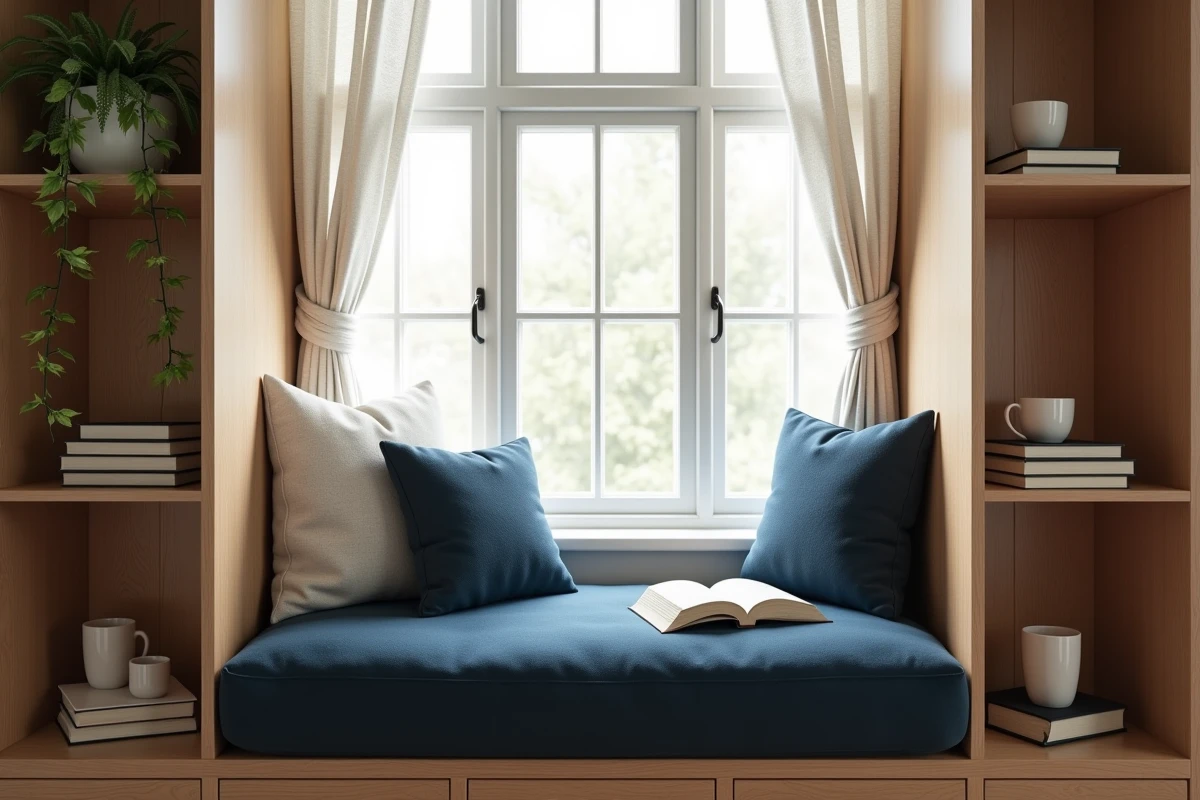
Creating a dedicated relaxation corner in an underutilized nook gives purpose to a lost space. A bench under a window, an armchair in a corner with a reading lamp and a throw are sufficient.
These micro-zones work particularly well in open living spaces, where they offer an intimate breath amidst a large volume. Adding thick cushions and a small rug visually anchors the space.
10. Handmade artisanal objects and ceramics as focal points
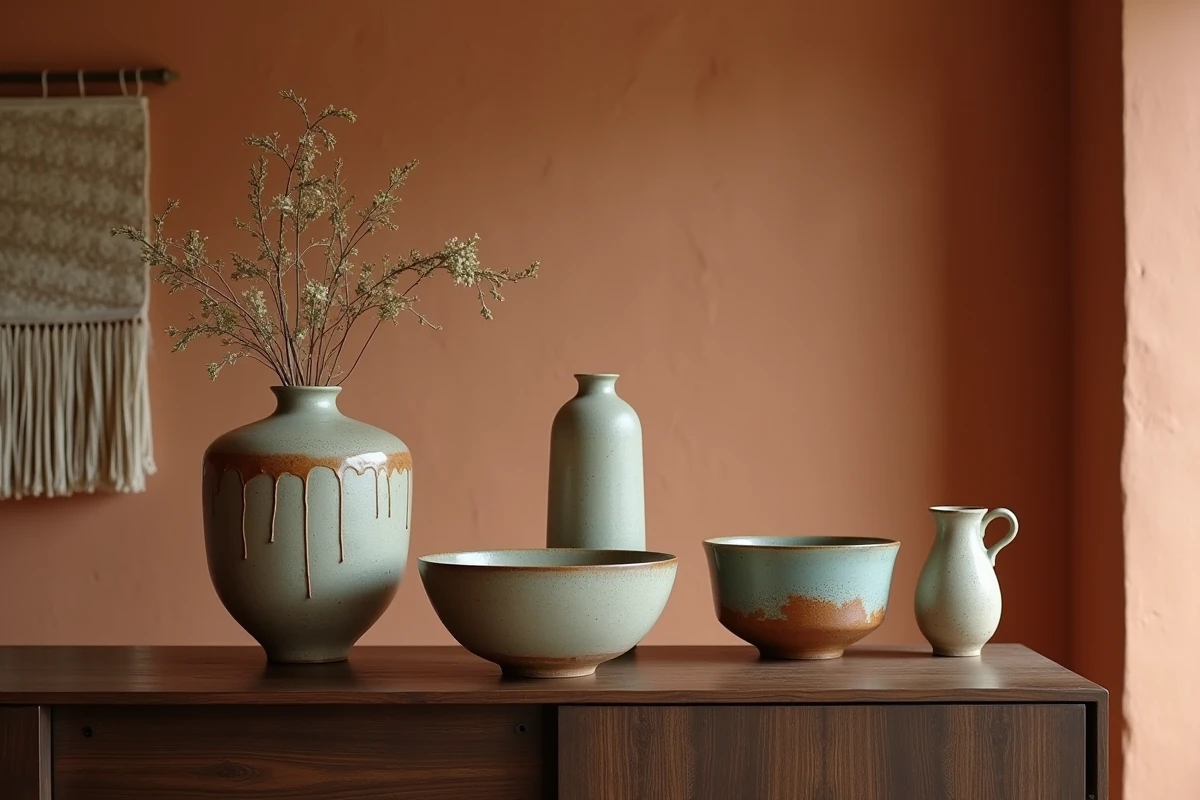
A stoneware vase, a hand-turned bowl, or a terracotta sculpture brings an irregularity that industrial design cannot replicate. These objects become natural focal points on a shelf, console, or coffee table.
Their strength lies in their uniqueness. Two well-chosen artisanal pieces make a stronger statement in an interior than ten mass-produced decorative accessories. Wood, clay, and stone remain the materials that age best and gain character over time.
The transformation of an interior relies less on a substantial budget than on precise choices of materials, light, and layout. Among these ten avenues, nuanced monochrome and organic minimalism represent the most significant evolutions in decoration for 2026, as they alter the overall perception of a space with a limited number of interventions.