A plumber working in a private home, a cabinetmaker restoring a Louis XV chest of drawers, a baker shaping loaves by hand: all are part of the craft sector, but their legal obligations, titles and qualification requirements have little in common. Understanding what craftsmanship in France really encompasses means looking beyond the image of manual skill and examining a precise legal framework, structured since the creation of a dedicated code.
Mandatory qualifications: a requirement many craftspeople discover too late
It is often assumed that mastering a skill is enough to set up a business. In practice, certain craft activities require professional qualifications before a business can open. The French Craft Code sets out strict rules on this, including requirements for continuing operations if the qualified business owner leaves.
Building trades, hairdressing and beauty services are among the most tightly regulated. To work in these fields, you must provide proof of a diploma (usually at least a CAP) or sufficient professional experience. Without a recognised qualification, registration in the National Register of Businesses is refused.
This requirement also applies to professionals from the European Union or the European Economic Area. The Code includes specific provisions for recognising their qualifications, showing that the right to practise a craft does not come from talent alone.
For more information on the definition of craftsmanship in France and its regulatory implications, the legal framework remains the most reliable starting point.
Craftsperson, craft artist, master craftsperson: three distinct statuses under French law
Craftsperson and craft artist are often used interchangeably, even in the press. The French Craft Code, however, clearly distinguishes between them.
The craftsperson title
Any individual or business owner registered in the National Register of Businesses in the trades and crafts sector may use the title of craftsperson. This title requires a professional qualification or experience in the trade concerned. It covers a wide range of activities, including plumbing, baking and auto mechanics.
Craft artist status
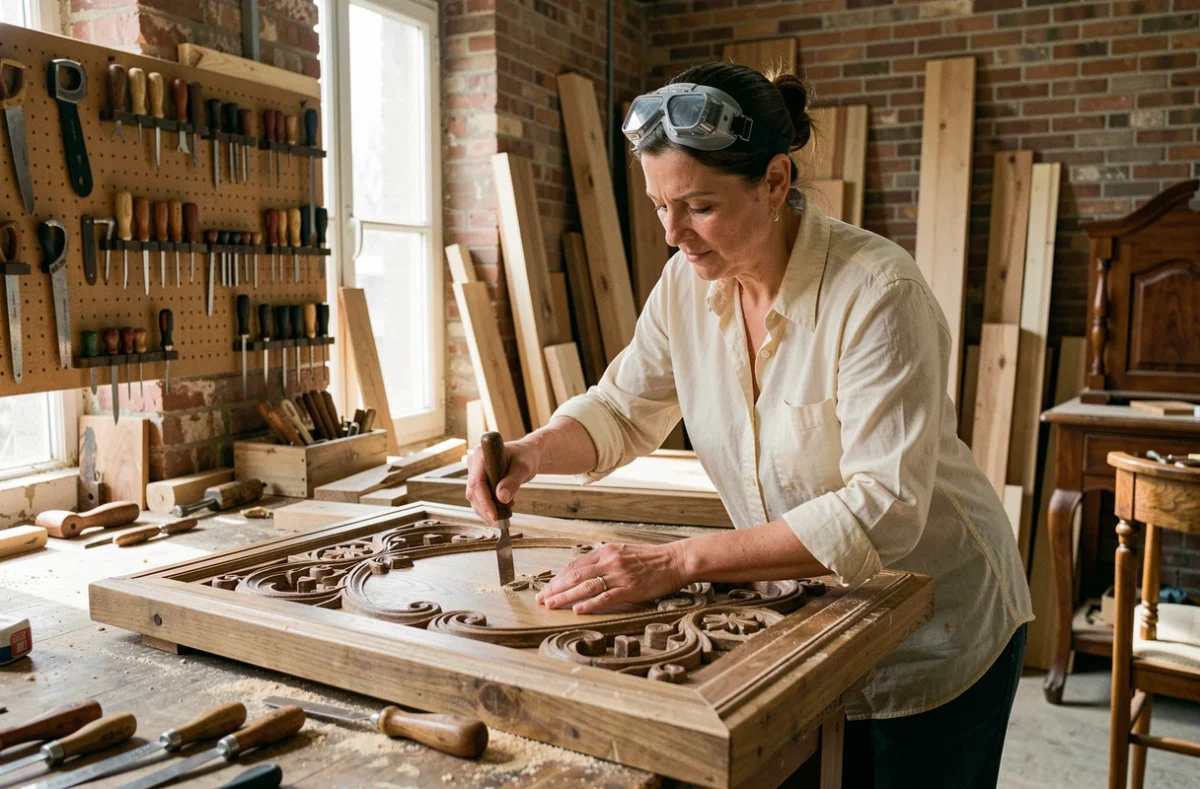
Craft trades are a separately regulated category. They involve techniques related to creating, restoring or preserving heritage. The French Craft Code sets out specific provisions for craft artist status, with criteria that go beyond manual work alone. A craft artist is not simply a craftsperson who does decorative work: they are a professional whose trade appears on an official list (such as a gilder, luthier or stained-glass artist).
The master craft artist title
This regulated title recognises a high level of expertise. It is not awarded on the basis of seniority alone: requirements may include training, practical experience and, in some cases, passing on skills. The Code clearly distinguishes this title from that of a “traditional” master craftsperson.
- Craftsperson: a title linked to registration and qualifications in a trade within the trades and crafts sector
- Craft artist: a status reserved for professionals practising a craft trade listed in the regulations, with specific skill requirements
- Master craft artist: a title requiring a high level of technical expertise and often the passing on of skills
Confusing these three statuses can mean using a title you are not entitled to, with real legal consequences.
The four craft sectors and how they shape day-to-day work
Craftsmanship in France is organised into four main sectors: food, construction, manufacturing and services. This classification is more than administrative. It determines training requirements, applicable standards and, in some cases, which forms of support are available.
Construction accounts for the majority of craft businesses. Trades in this sector require mandatory qualifications and are subject to technical standards that are regularly updated (insulation, electrical safety and accessibility). A bricklayer or roofer cannot set up a business without demonstrating verifiable skills.
Food crafts rely on processing skills, including baking, charcuterie and pastry-making. In addition to trade qualifications, professionals in this sector must comply with strict health regulations.
Manufacturing encompasses activities ranging from cabinetmaking to bespoke tailoring. This sector is home to a large proportion of craft trades. Skills are often passed on in workshops over several years.
Services include hairdressing, auto repair and dry cleaning. Though less prominent in the popular image of craftsmanship, these trades account for a significant number of local businesses.
Registration and the National Register: what the French Craft Code requires in practice
Since the register reform, craft businesses have been registered through a unified national system. Businesses no longer register separately with a local trades register: the National Register of Businesses now centralises the formalities.
This centralisation directly affects how qualifications are verified. When a craftsperson registers, their professional qualifications are checked. For regulated activities, this verification determines whether they can enter the market.
The French Craft Code also sets out rules for continuing operations. If the qualified business owner leaves, the business must regularise its status within a specified timeframe. A regulated trade cannot continue to be practised without a qualified professional in charge.
Craftsmanship in France is therefore about more than skills passed down from generation to generation. It is an economic sector governed by specific requirements, where the title you use, the trade you practise and the register you appear on are each subject to distinct rules. Understanding these mechanisms is essential to finding your way in the sector, setting up a business or simply recognising the value of what a craftsperson makes.