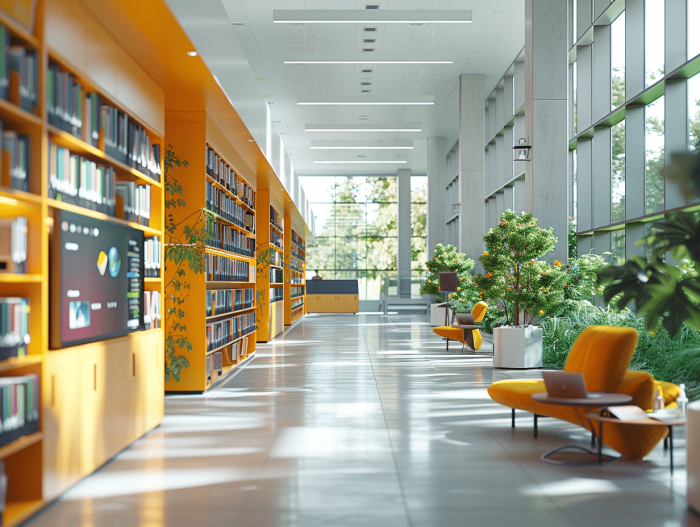
The world of free digital libraries has undergone a radical transformation thanks to significant technological advancements. These innovations have democratized access to knowledge and facilitated a broader dissemination of information. They include improved search tools, AI-based recommendation systems, and intuitive user interfaces that make navigation easier. The rise of accessible formats, such as audiobooks and adaptive e-books, has made reading possible for a more diverse audience, including individuals with specific needs. These advancements are also supported by more flexible copyright management policies, allowing for expanded collaboration and sharing within the online community.
Technological advancements serving free digital libraries
The digital library, or digital library, has evolved thanks to advancements in computer technology and information and communication technologies. The implementation of the International Image Interoperability Framework (IIIF) illustrates this transformation. The IIIF offers a set of interoperable standards for digital images, revolutionizing the technical process of sharing and analyzing iconographic documents. Specific image servers and advanced image viewers, such as Mirador and Universal Viewer, now allow for fine manipulation and detailed visualization of images.
Application Programming Interfaces (APIs) play a key role in this dynamic. They ensure communication between different web services, thus facilitating the creation of a rich and interconnected digital ecosystem. The IIIF Image API, for example, allows for remote manipulation of digital images, while the Presentation API structures the presentation of digital objects. Their use optimizes the management of images and associated data, significantly enhancing the user experience.
The IIIF Manifesto and the concept of Shared Canvas embody the desire to structure the digital universe. The manifesto contains structured information about digital objects, while the Shared Canvas represents a data model for the representation of digital objects, such as scanned books or manuscripts. These advancements not only facilitate the preservation and dissemination of cultural works but also their annotation and collaborative enrichment.
This technical revolution in digital libraries has given rise to projects such as ‘FR1Lib’, an initiative aimed at unifying and standardizing access to free digital content. Innovations such as the Content Search API enable the search for specific content within annotations, thereby improving the relevance and speed of results. The Authentication API ensures the security and personalization of access to resources. These developments lay the groundwork for a future where knowledge is freely accessible and shared, without technical or geographical barriers.
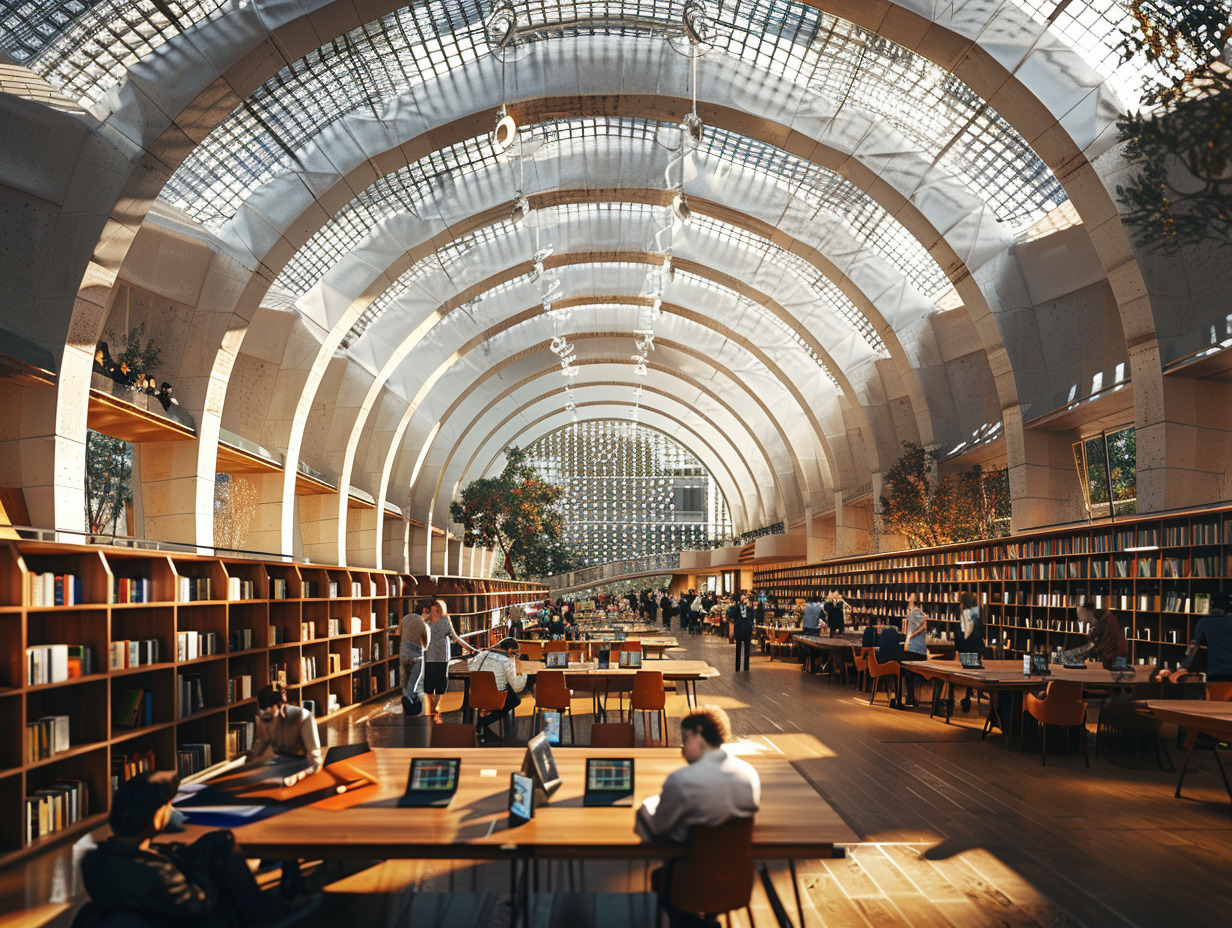
Collaboration and accessibility: the impact of free digital libraries on knowledge dissemination
The dissemination of knowledge through free digital libraries is intensifying thanks to the collaboration of various cultural and scientific institutions. Organizations such as the Bibliothèque nationale de France (BnF) and the Harvard Art Museums actively participate in the development and promotion of standards like IIIF. The BnF’s Gallica platform, for example, perfectly illustrates the integration of these standards, thus allowing for optimal dissemination of its documentary heritage. Similarly, the Equipex Biblissima project is committed to developing technical solutions for better interoperability of cultural and historical data.
The services offered by national libraries are thus transformed. Image viewers, such as Mirador and Universal Viewer, realize the potential of these collaborations. Mirador, a multi-window viewer, promotes comparative analysis of works, while Universal Viewer, which includes a search function within annotations, enriches access to information. These open and modular tools allow users to easily navigate cultural history and appropriate content according to their research or exploration needs.
The role of free digital libraries in making cultural and scientific heritage accessible is therefore crucial. They not only eliminate geographical barriers, allowing anyone, wherever they are, to access treasures that were once inaccessible, but they also stimulate collaborative and interdisciplinary research. This opening of knowledge, the result of a synergy between advanced techniques and a desire to share, shapes a new landscape of information where culture and history are freely offered to the entire world.