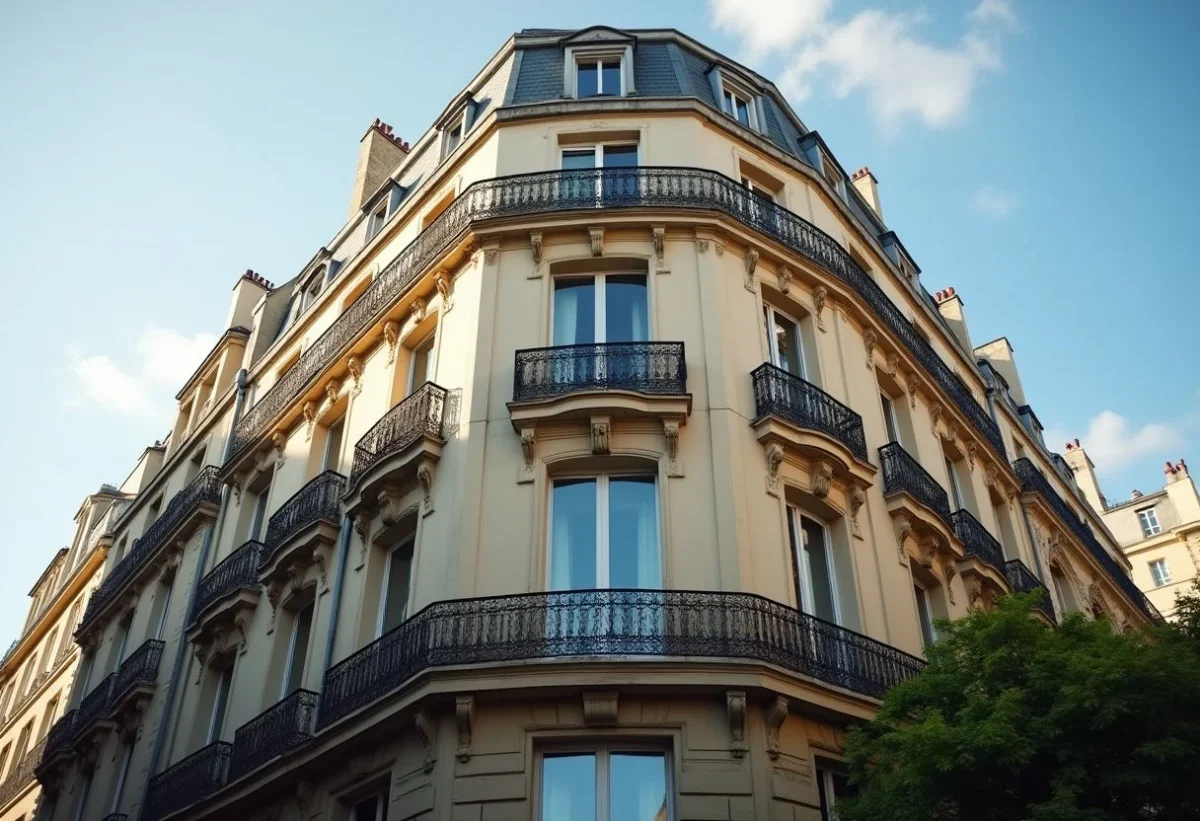
When selling or renting a property, certain legal obligations must be met by the owner. These obligations include conducting various property diagnostics, which inform the future buyer or tenant about the general condition of the property. In the French capital, where the real estate market is both dynamic and complex, this step is particularly important. The property diagnostic in Paris is not just a simple administrative formality; it represents a true guarantee of transparency and security for all parties involved in a real estate transaction.
The different types of property diagnostics
In France, several diagnostics are mandatory for selling or renting a property. In Paris, these take into account the specificities of the Parisian real estate stock, which is often old and diverse.
- Energy performance diagnostic (DPE): this diagnostic assesses the energy consumption of a dwelling as well as its impact in terms of greenhouse gas emissions. The DPE is essential in a city like Paris where many buildings are old and sometimes energy-intensive.
- Asbestos diagnostic: mandatory for buildings whose building permit was issued before July 1997, this diagnostic is crucial for ensuring the health safety of occupants.
- Lead diagnostic: known as CREP (Lead Exposure Risk Assessment), it is required for buildings constructed before 1949, a category that represents a large part of the Parisian built heritage.
- Termite diagnostic: although central Paris is relatively free from termites, certain areas still require this type of inspection to ensure the healthiness of constructions.
- Condition of the internal electrical and gas installation: these diagnostics check the safety of installations over 15 years old and are crucial in a dense urban context like that of Paris.
The stakes of property diagnostics in Paris
Property diagnostics play an essential role in protecting the parties involved in a transaction. This is even more true in a city like Paris where the real estate market can be both an opportunity and a challenge.
For sellers and landlords, conducting these diagnostics may seem burdensome, but it ensures transparency and avoids potential legal disputes. For buyers and tenants, these diagnostics are a valuable source of information allowing them to assess any necessary renovation or energy improvement work to be planned.
Given that the Parisian real estate market is particularly competitive, having up-to-date and comprehensive diagnostics can make all the difference in the speed and success of a transaction. Furthermore, at a time when the energy transition is at the heart of concerns, the energy performance diagnostic is becoming an increasingly valued tool for buyers aware of environmental issues.
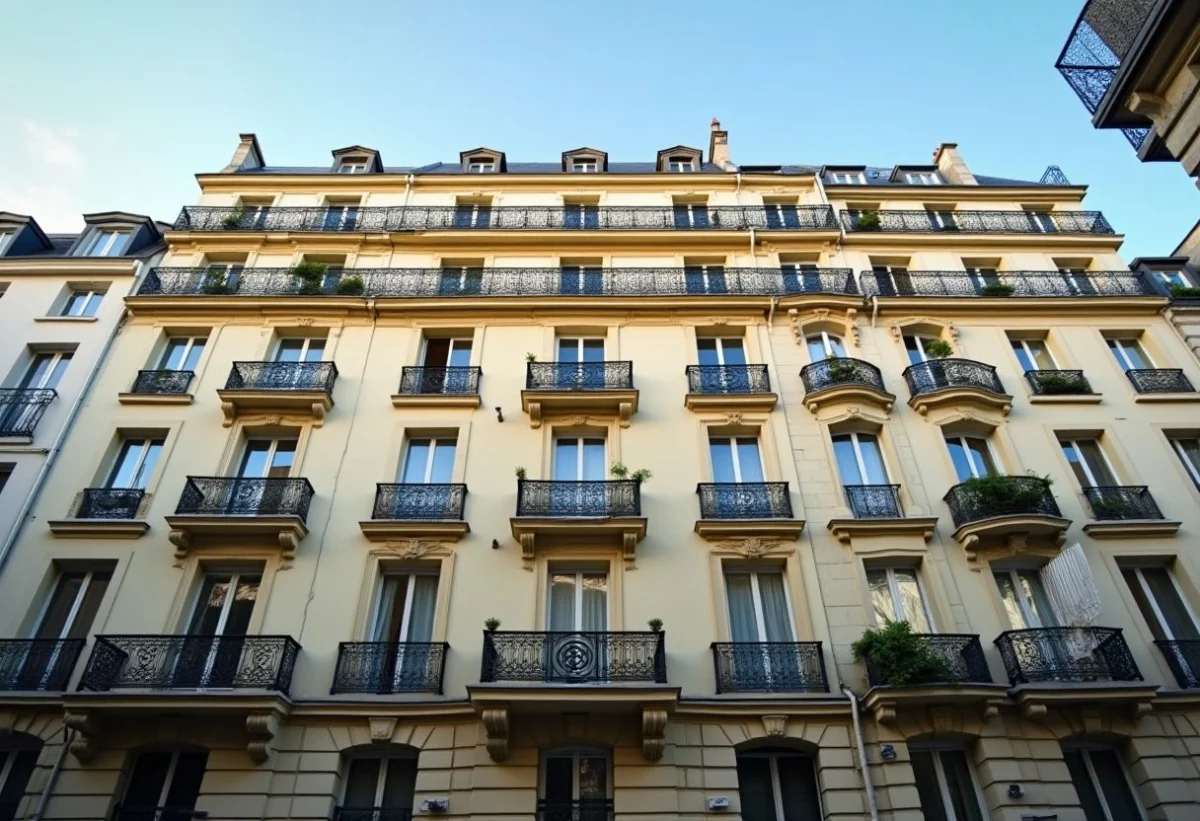
How to conduct a property diagnostic in Paris?
To carry out a property diagnostic, it is essential to consult a certified professional authorized to perform these technical checks.
- It is recommended to request several quotes to compare prices and services offered by different diagnosticians.
- A diagnostic carried out by an expert not only guarantees compliance with current regulations but also provides a precise and relevant analysis of the property’s condition.
- As Paris is home to a significant number of historical properties, some diagnostics may require particular expertise. Therefore, it is crucial to choose a diagnostician with in-depth knowledge of the Parisian real estate stock.
To obtain more advice on how to approach this step, it is wise to consult specialized resources in real estate.
Impact of property diagnostics on the Parisian market
Property diagnostics directly influence the dynamism of the Parisian real estate market, bringing both opportunities and constraints.
These diagnostics help identify properties to be renovated, stimulating the renovation and construction sector. Historical neighborhoods, with their old buildings, often benefit from ambitious renovation programs supported by precise diagnostics.
In a market where supply is scarce and demand is high, properties with good energy diagnostics sell more quickly and at more competitive prices. This encourages owners to invest in energy renovations to enhance the value of their property.
The property diagnostic in Paris, far from being a mere obligation, proves to be a powerful tool for navigating the complex world of Parisian real estate. Understanding its scope and implications allows owners, sellers, buyers, and tenants to make informed choices and make the most of the capital’s real estate market.