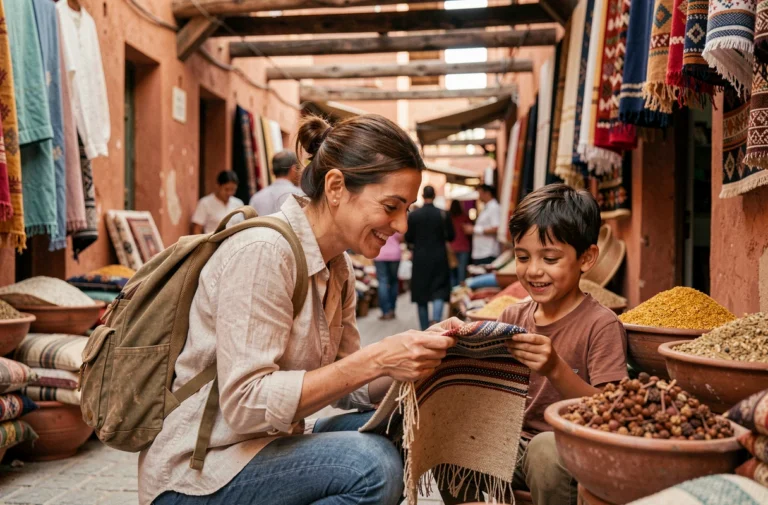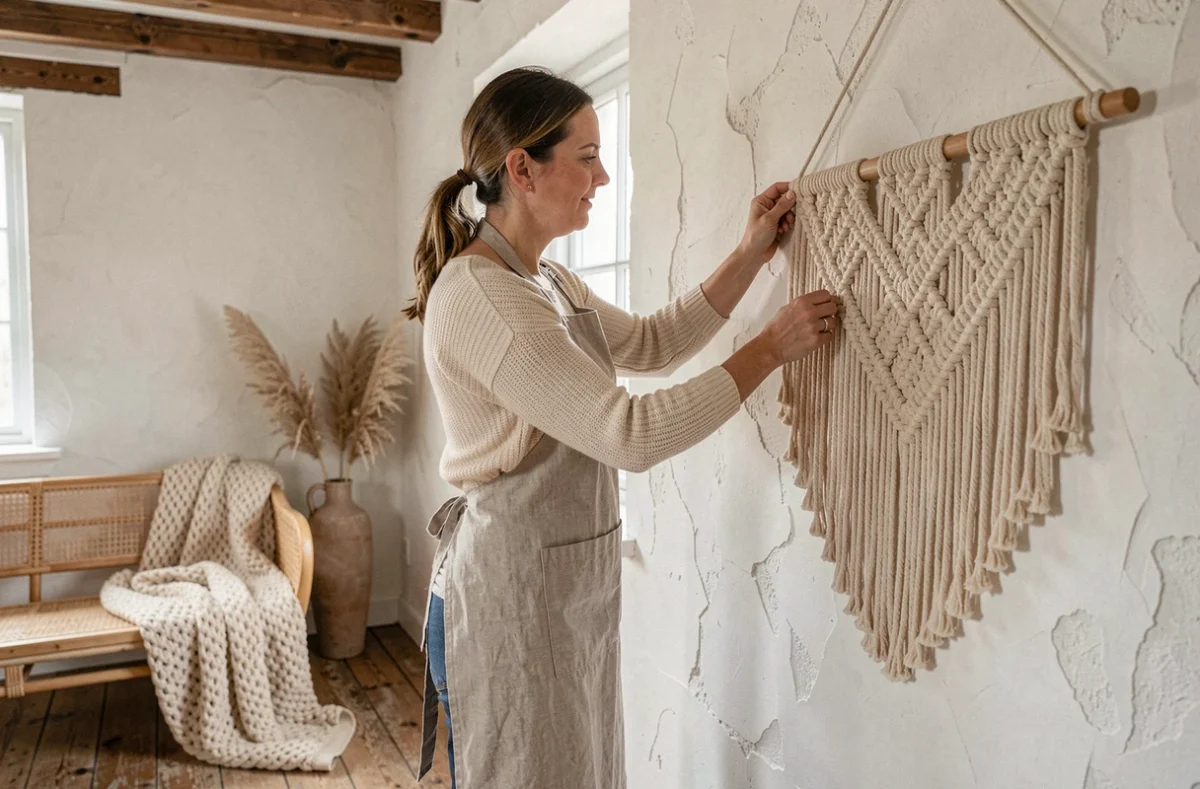
Handmade in interior decoration is not just about sticking a macramé on the living room wall. It’s a choice of materials, finishes, and regulatory constraints that most decorative items overlook. Here, we address the technical points that make the difference between a sustainable handcrafted piece and a decorative object that poses problems in use.
Handmade textiles and PFAS regulation: what changes for your curtains and cushions
The French law n° 2025-188 of February 27, 2025 schedules the prohibition of PFAS in upholstery textiles starting January 1, 2030. For anyone creating or ordering handmade curtains, cushion covers, or drapes, this deadline modifies the specifications right now.
The water-repellent and stain-resistant treatments applied to many industrial fabrics rely on these fluorinated compounds. By choosing naturally resistant materials, you anticipate the constraint without sacrificing performance.
- Thick linen offers remarkable wrinkle resistance and natural resistance to greasy stains, without additional chemical treatment.
- Tightly woven cotton twill withstands frequent washing and retains its density over several years.
- Wool, especially in dense weights, provides thermal and acoustic insulation that treated synthetic fibers with PFAS cannot surpass.
We recommend systematically checking the technical data sheet of the fabric before any handmade creation. A textile sold as “natural” may have undergone a chemical finish beforehand. Requesting the Oeko-Tex or GOTS certificate remains the most reliable reflex.
As detailed by Déco Maison’s decoration tips, transforming your interior with handmade items requires mastering these technical parameters as much as the aesthetics.
Handmade ceramics and food contact: a common trap in kitchen decor
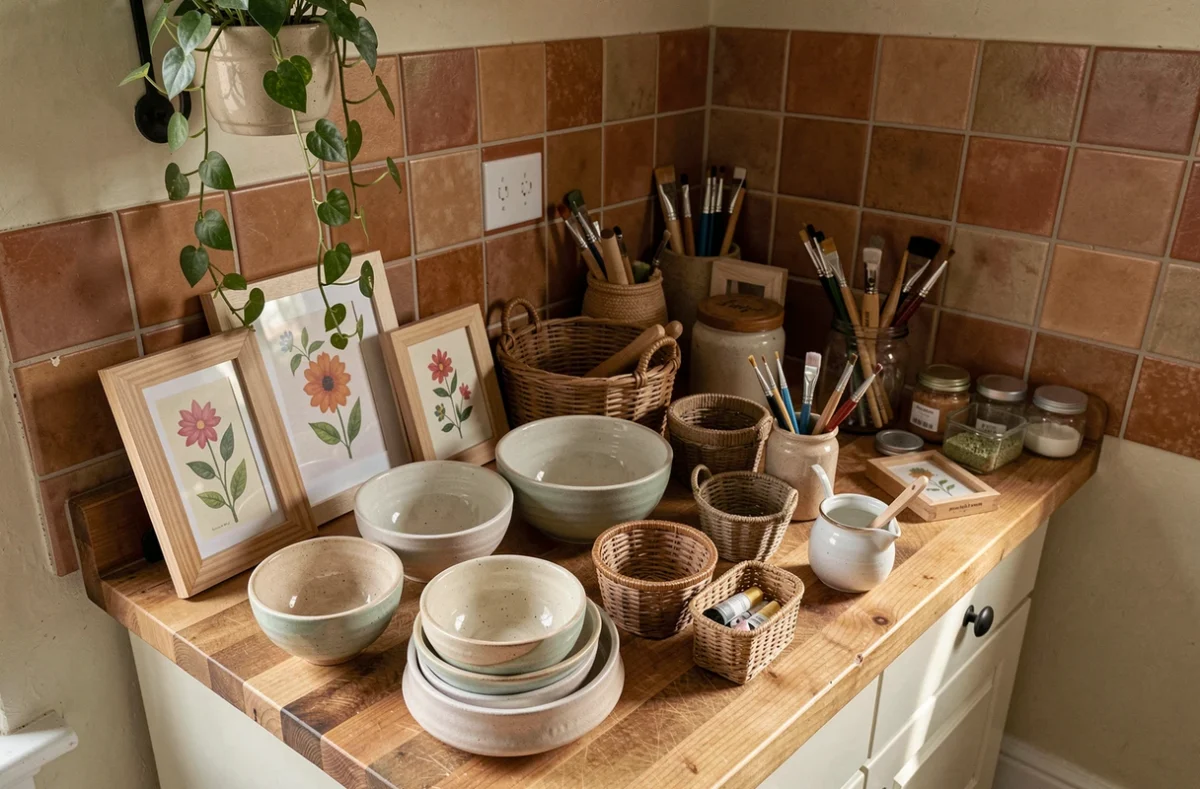
A ceramic bowl placed on a shelf does not have the same obligations as a bowl in which you serve your soup. The distinction seems obvious, but it escapes the majority of buyers of handmade pieces.
Decorative ceramics are not subject to the rules applicable to materials intended for food contact. However, any handmade piece sold for containing food must comply with European requirements regarding lead and cadmium migration. These heavy metals, present in some traditional colored glazes, can migrate into hot or acidic liquids.
Before using a handmade plate, cup, or salad bowl for eating, check that the artisan explicitly mentions food compliance. The absence of this mention is not an oversight: it often indicates that the piece is strictly decorative.
Glazes and pigments: colors that raise questions
Bright reds, intense oranges, and certain traditional yellows are the shades most likely to contain cadmium. A serious ceramic artisan uses certified glazes free of heavy metals for their food pieces and reserves historical pigments for purely decorative objects.
This technical point transforms the way you compose your kitchen decor. A wall set of artisan bowls in vibrant colors can enhance a wall without ever touching food. It’s a staging choice, not a limitation.
Fire safety of wall textile creations
Hanging a handmade tapestry, wall hanging, or artisan sheers in a living room or bedroom engages your responsibility regarding fire safety. Curtains, drapes, and sheers are subject to fire reaction requirements, particularly in collective housing and ERP.
An unfireproofed handmade textile can spread flames in seconds. Creators selling wall pieces made from natural fibers must be able to provide a fire classification report or specify that the piece is intended for strictly decorative use outside of risk areas.
For your handmade wall decor projects, we recommend prioritizing dense and tightly woven fibers. A loose weave, however beautiful, presents a much higher flame catch surface. Thick linen and felted wool are among the materials that are the slowest to ignite naturally.
Second-hand and textile upcycling: extending handmade through reuse
Handmade does not necessarily start with new fabric. In France, the second-hand market for home textiles has grown in volume and value, according to a study published by Refashion on September 28, 2026. This dynamic directly fuels artisan decor.
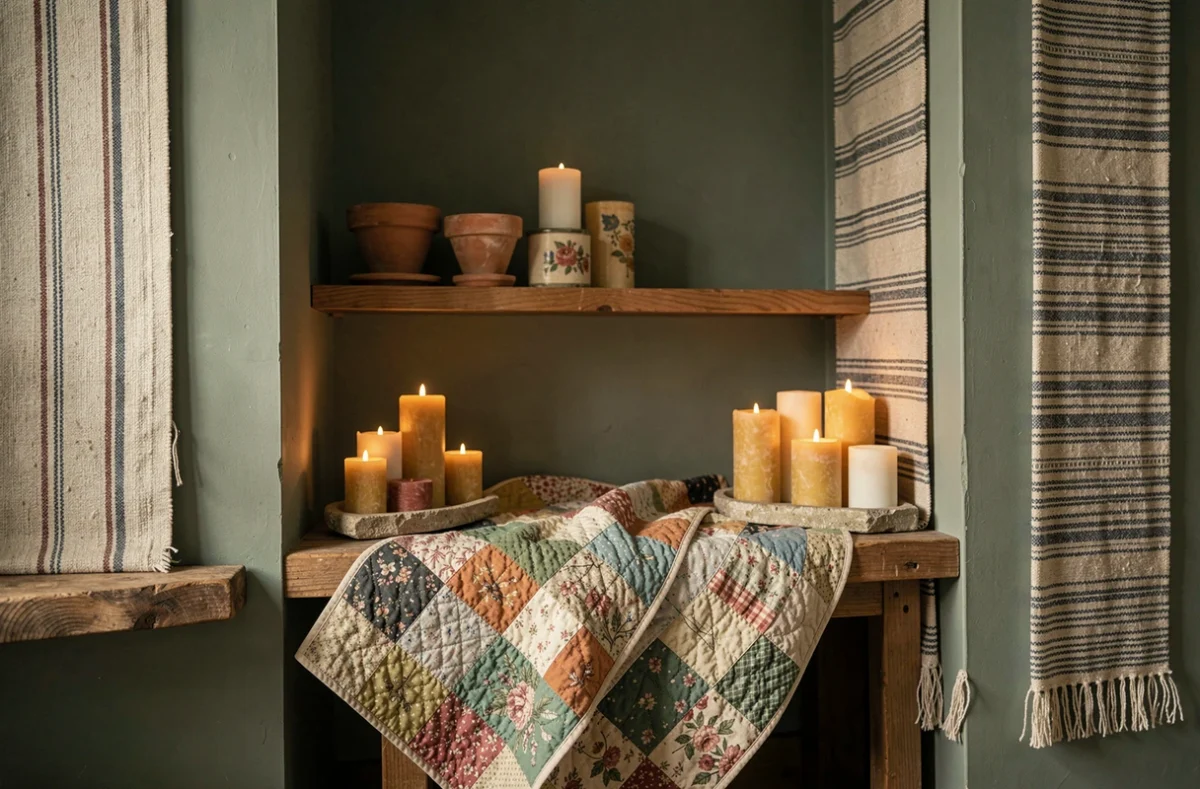
Repurposing an old linen curtain into cushions, transforming an embroidered tablecloth into a wall panel, resizing a wool blanket to dress a seat: these actions involve sewing and pattern-making skills, not just simple aesthetic recycling.
Flea markets and raw materials for decor projects
Flea markets and resource centers offer textiles whose fiber quality often exceeds that of new entry-level upholstery fabrics. A linen sheet from the 1950s, for example, has a fiber density that current low-cost productions do not replicate.
Textile upcycling for interior decor, however, requires checking the condition of the fibers. A fabric weakened by time will tear under the tension of a cushion or cover. The manual traction test, by pulling firmly on the weft and warp, remains the quickest method to assess residual strength.
Raw wood and artisan finishes for decorative furniture
The choice of finish determines the longevity of a handmade piece of furniture much more than the type of wood. A solid oak shelf treated with an unsuitable varnish will yellow within months. In contrast, a hard oil applied correctly to beech will protect the piece for years without altering its hue.
For wooden decorative furniture intended for humid areas (bathroom, kitchen), we recommend finishes based on tung oil or beeswax, which allow the wood to breathe while protecting it from water splashes. Polyurethane varnishes, although more resistant on the surface, trap residual moisture and eventually cause peeling.
A handmade solid wood piece also requires a wood moisture content of less than 12% before assembly. Beyond that, the natural shrinkage of the wood as it dries creates gaps in joints, cracks in surfaces, and squeaks in structures. Checking this rate with a pin moisture meter is a simple gesture that any serious artisan performs before delivery.
Enhancing your interior with handmade items means accepting that each material imposes its own rules. The beauty of a handcrafted piece lies as much in its technical compliance as in its aesthetics. An untreated linen cushion free of PFAS, a ceramic with safe glazes, a wall textile properly classified for fire: these invisible details are precisely what separates sustainable decor from fragile decor.