
In the medical landscape, diagnostic tests play a fundamental role, providing healthcare professionals with a range of tools to detect, monitor, and prevent diseases. From simple blood tests to sophisticated imaging examinations like MRI, each procedure offers vital information about an individual’s health status. They not only allow for an accurate diagnosis but also help track the progression of a pathology or the effectiveness of a treatment. These tests can be preventive, such as regular cancer screenings, or respond to specific symptoms to guide therapeutic decisions.
Essential Medical Tests for Diagnosis and Prevention
Amniocentesis, a common technique in prenatal diagnosis, stands out for its effectiveness in detecting chromosomal abnormalities, such as Down syndrome. This medical test involves a specific aspiration of amniotic fluid, allowing for a detailed analysis of the fetus’s genetic makeup. Its relevance in prenatal monitoring makes it a decisive tool for guiding future parents in their medical choices.
In the field of vascular imaging, pulmonary angiography is distinguished by its ability to examine the pulmonary arteries. This diagnostic procedure is essential for detecting potential vascular issues that may affect blood circulation in the lungs. In cases of suspected pulmonary embolism or other lung conditions, this method provides a precise visualization of the affected vascular structures.
As for the antibiogram, it is a fundamental test in the fight against bacterial infections. It helps identify the most effective antibiotic by assessing the resistance of bacteria to various antibacterial agents. This antibiotic resistance test is crucial for treatment selection, thereby optimizing the chances of recovery while combating the spread of antibiotic-resistant strains.
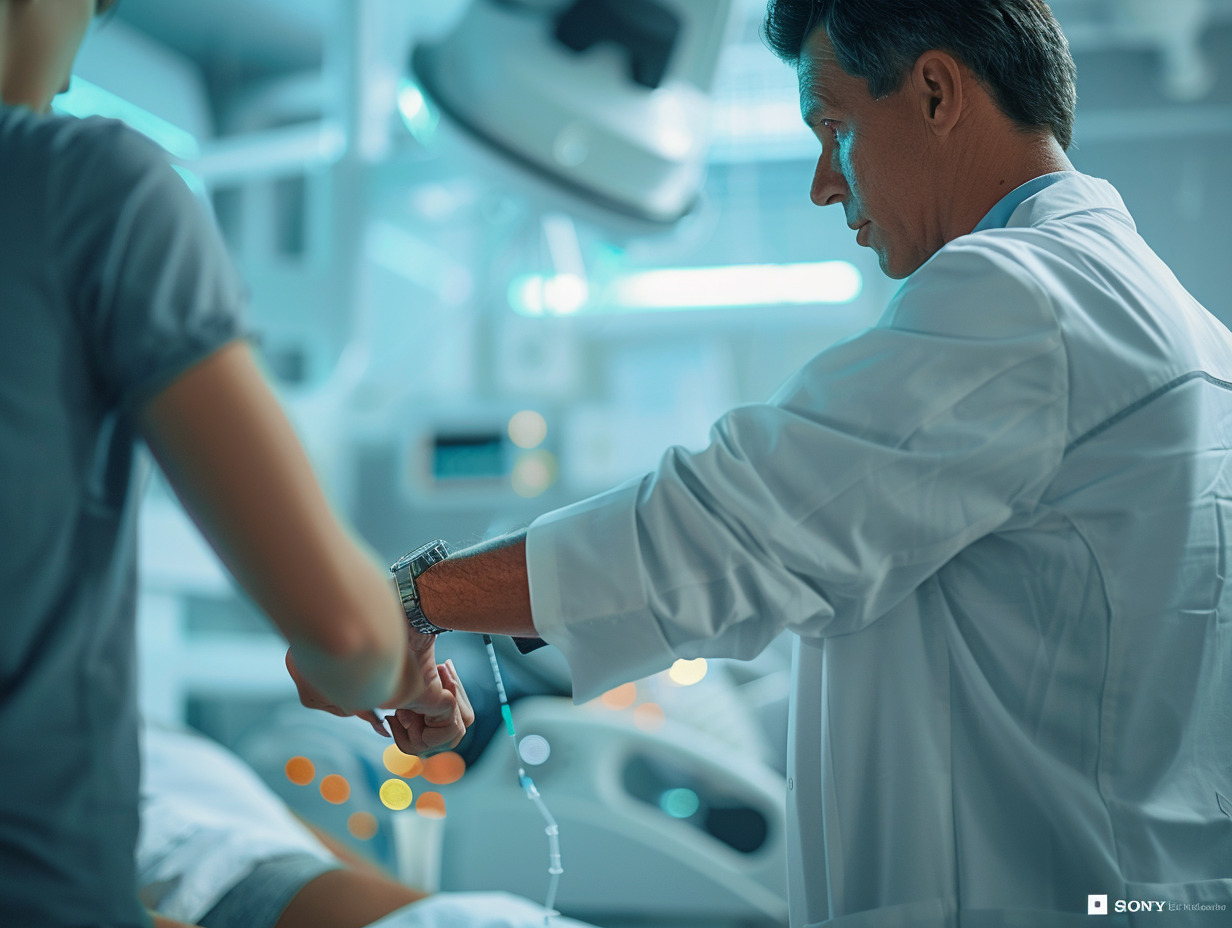
The Impact of Technological Advances on Screening and Medical Monitoring Methods
The rise of technological advances in the health sphere is revolutionizing screening and medical monitoring practices. Innovations in imaging, for example, have radically transformed arteriography, allowing for finer observation of the morphology and functioning of arteries. Advanced imaging systems, such as magnetic resonance imaging (MRI) and positron emission tomography (PET), now offer increased resolution and diagnostic precision, thereby reducing the risks associated with invasive procedures.
Arthroscopy, a minimally invasive surgical intervention, also benefits from these advancements. The refinement of optical equipment and surgical instruments has improved the accuracy of diagnoses and treatments for joint conditions. This technique, which allows for direct visualization of the inside of the joint, benefits from high-definition cameras and augmented reality tools, enhancing the efficiency of procedures and patient recovery.
The field of medical monitoring is not left behind. Telemonitoring systems and connected health devices now enable continuous collection of physiological data, transforming the approach to post-therapeutic monitoring. These devices ensure real-time monitoring and facilitate early detection of complications, thereby promoting prompt and appropriate medical responses. These technologies, by creating a bridge between the patient and the care team, enhance prevention and personalize monitoring, demonstrating the tangible impact of innovations on the quality of care.