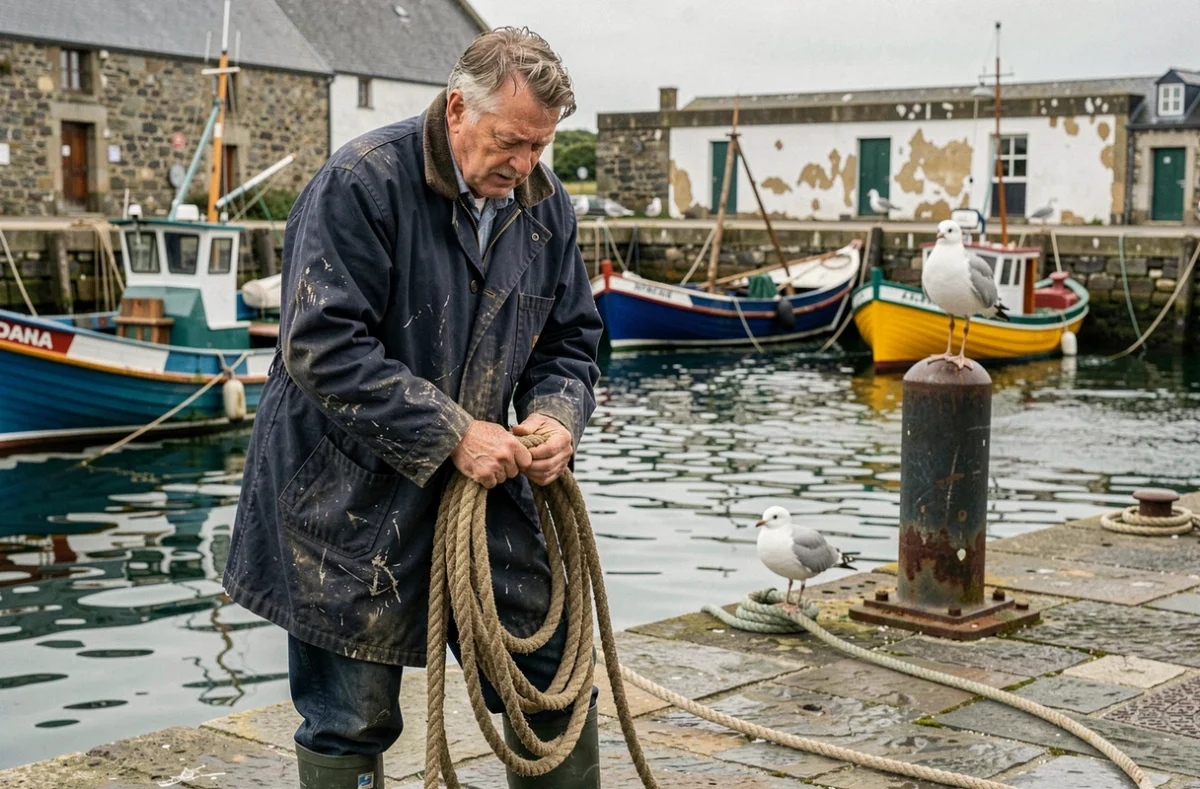
Brittany wrapped up the summer of 2026 with a paradox that encapsulates the period well: tourists came in numbers similar to previous years, but they spent less. The preliminary report from Tourisme Bretagne, published at the end of August 2026, confirms stable overnight stays, accompanied by a 6% drop in tourism revenue in the second quarter. This disconnect between volumes and revenues raises concrete questions about the economic health of the region.
Tourism in Brittany: attendance masks a decline in revenue
The data compiled by Tourisme Bretagne and reported by Bretagne Économique at the end of August 2026 show a slight surplus of overnight stays compared to the previous two seasons. The gross volume gives the impression of a region that still attracts many visitors. The revenue figures tell a different story.
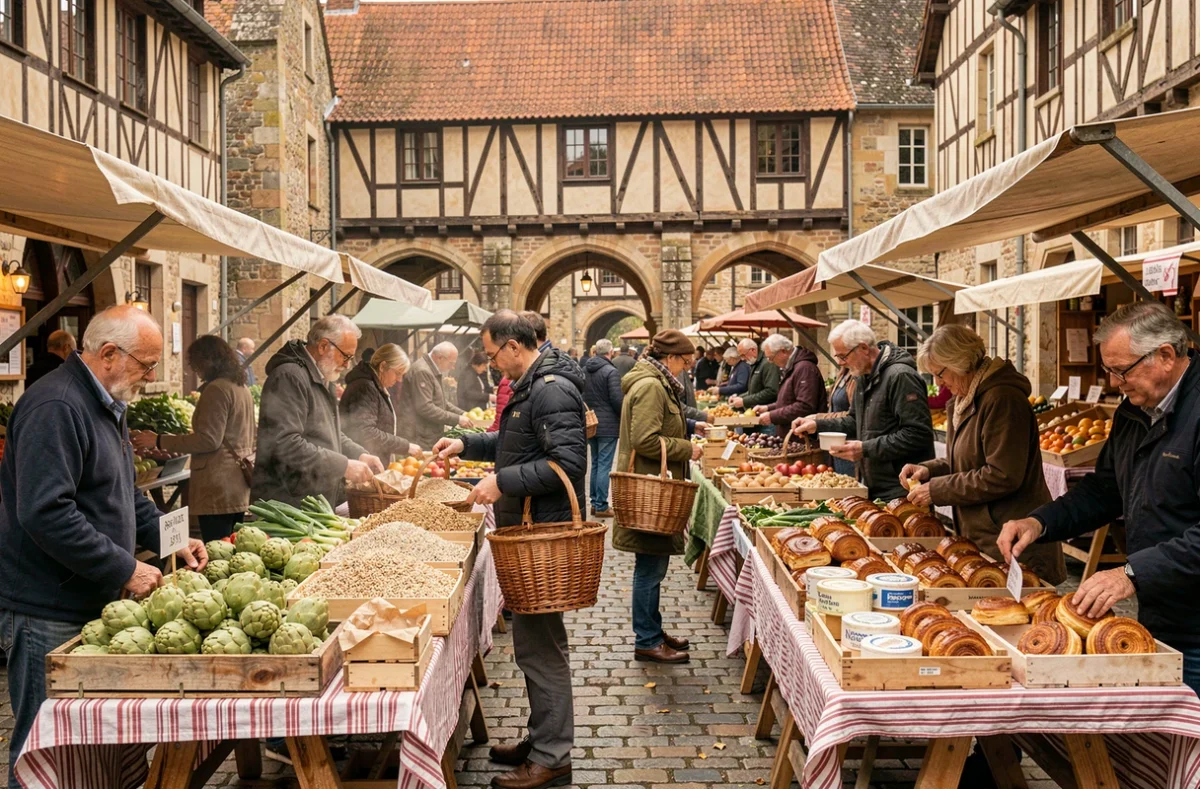
The restaurant sector has seen a notable decline, and the Côtes-d’Armor is experiencing a more pronounced drop in revenue than other Breton departments. Visitors’ choices are reflected in lower average spending: people come, they stay, but they consume less on-site.
Several factors explain this gap. Stays are getting shorter, bookings are made at the very last minute, and part of the clientele is shifting their spending towards accommodation at the expense of dining and activities. To keep track of these trends, the news on Web Bretagne regularly compiles significant events in the region.
Short stays and last-minute bookings: new behaviors in Brittany
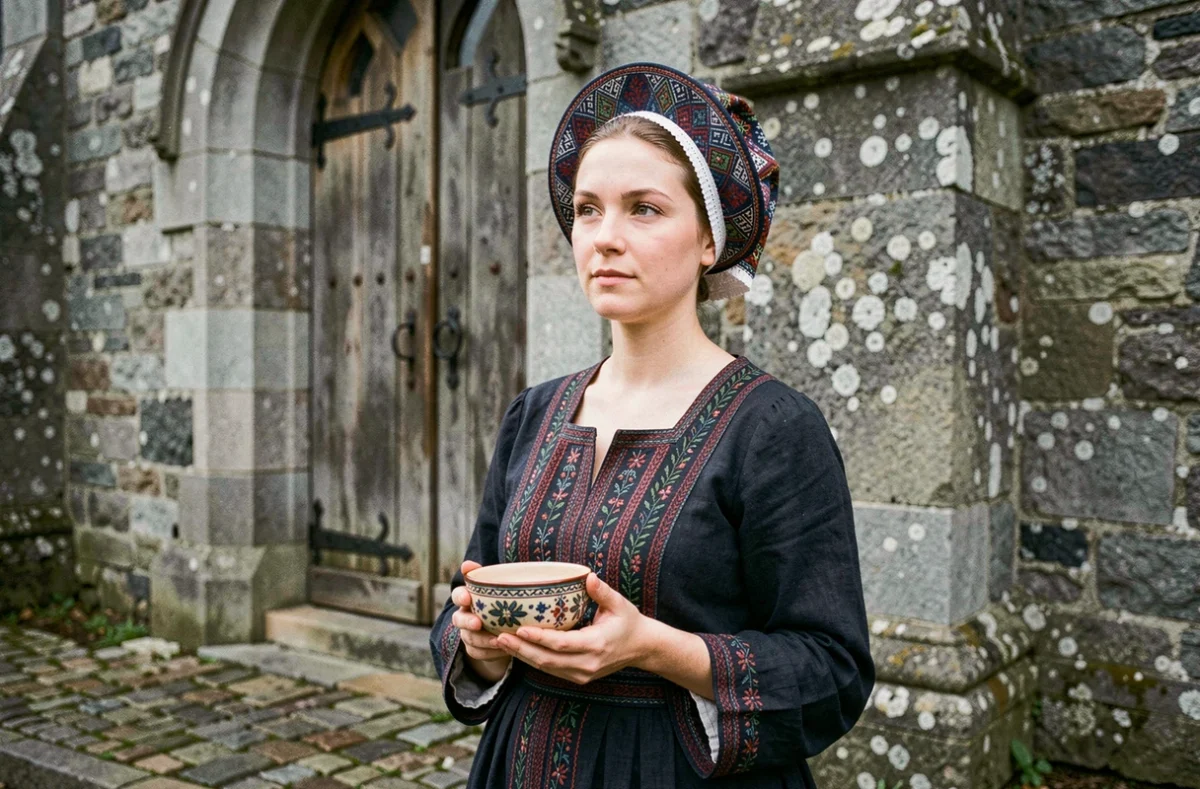
The shortening of stays is not a new phenomenon, but it has taken on particular significance in 2026. Studies by Tourisme Bretagne describe a shift towards two to three-night getaways, often decided less than a week before departure. The country of Saint-Malo has documented this trend in its own summer report.
This behavior of last-minute booking complicates management for accommodation providers. Campsites and gîtes, which traditionally operate with full weeks in high season, must adapt their offerings to fragmented stays. Overall occupancy rates remain stable, but revenue per night is decreasing.
Another structuring fact: the tourist season is shifting towards September. Ground reports suggest that the low season is gradually filling up, while the peak of July-August is flattening. This redistribution of the calendar has direct consequences on seasonal employment and staffing needs for tourism professionals.
What the shift means for Breton accommodation providers
Professionals who depend on a model of full-week seasonal rentals face a choice: offer short stays at adjusted rates, or maintain long stays with an increased risk of vacancy. The available data does not allow for a conclusion on which strategy prevails, but ground reports vary on this point depending on the departments.
- In Côtes-d’Armor, the decline in revenue is the most visible, with a clientele that favors budget accommodations and picnics along the coast.
- Morbihan, buoyed by the gulf and its islands, retains its appeal for longer stays, but the average spending is also decreasing there.
Breton heritage in September 2026: Heritage Days and private restorations
The European Heritage Days on September 19 and 20, 2026, highlighted sites that are usually closed. Several Breton municipalities took advantage of the event to open historic buildings that are rarely accessible to the public.
Breton lighthouses, a heritage undergoing reopening
Breton lighthouses are experiencing a resurgence of interest, with occasional openings that fuel local tourism, often for day trips. This format corresponds to the profile of the 2026 visitor: mobile, sensitive to heritage, but with a tight budget.
Hiking and nature: the circuits that attract in Brittany
Inland Brittany is gaining visibility. The canals, forests, and castles of the hinterland attract a clientele looking to avoid the saturation of the coast in high season. Gîtes de France accommodations in inland Brittany serve as starting points for itinerant stays by bike or on foot, with a focus on green Brittany and its bocage landscapes.
Autumn 2026 in Brittany is reflected through these mixed signals: a region still attractive, visitors with changing behaviors, and professionals adjusting their offerings to an economic reality less favorable than attendance figures suggest. The September season, driven by heritage and hiking, is taking an increasingly prominent place in the Breton tourism calendar.